
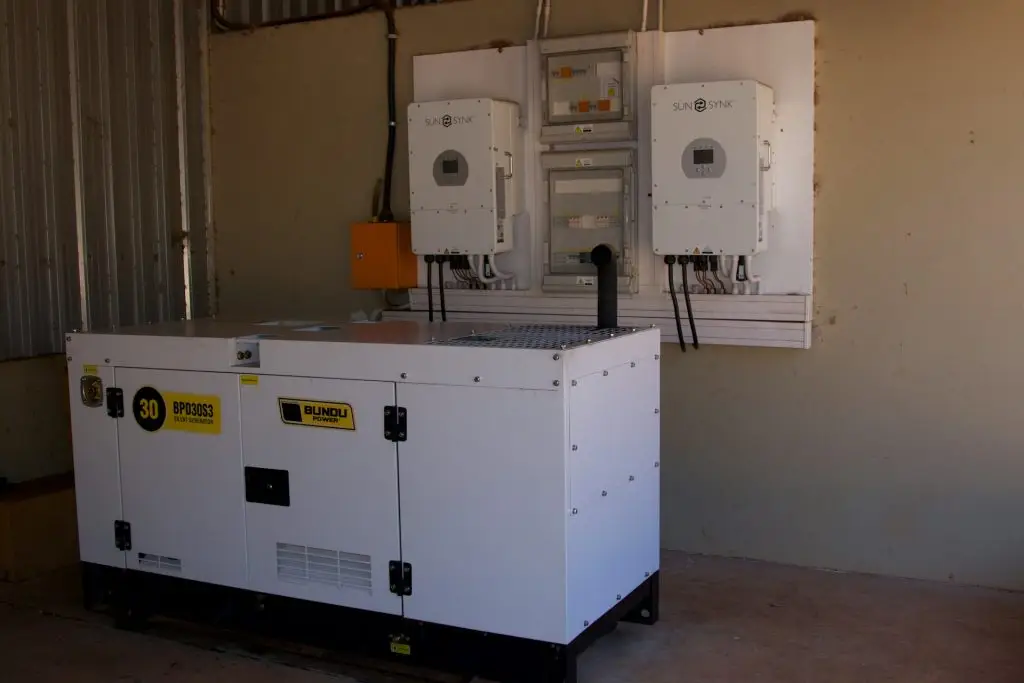
Power and Peace of Mind When the Grid Goes Down
Residential standby generators give your home automatic backup power when the utility goes out. Unlike portable units, they sit permanently outside, tie into your electrical panel through a transfer switch, and usually run on natural gas or propane. When the grid fails, they start on their own and keep key systems running without extension cords or refueling every few hours.
In the greater Houston area, storms, high winds, and grid strain are simply part of life. Many homeowners are asking questions about backup power long before they are ready to buy, and that is a smart approach. At Power Solutions Specialist, our goal with this FAQ-style guide is to give straightforward answers so you can understand how residential standby generators work, what decisions really matter, and what to watch out for, without feeling like you are being sold something.
We have organized this guide around the topics homeowners ask about most: sizing the generator for your home, making smart buying decisions, licensing and insurance, service and maintenance, how AC soft starts help, and practical next steps. Feel free to skim to the sections that matter most for your situation and come back to others later.
Right-Sizing a Generator for the Way You Live
Generator sizing is based on electrical load, not square footage. Two homes on the same street can be identical in size and still need very different generators because of what is inside and outside those walls. Multiple AC systems, pool pumps, well pumps, EV chargers, and whether your appliances are gas or electric all change the picture. So does your comfort level during an outage, whether you just want basics or want the house to feel close to normal.
A proper load calculation looks at how you actually live. That usually includes:
- Reviewing your existing equipment, including AC tonnage, water heaters, pumps, and large appliances
- Examining your electrical panel layout and any subpanels
- Confirming the gas supply and meter capacity if you use natural gas
- Talking through which rooms and systems you want powered in an outage
Online sizing calculators can be a starting point, but they are only that. They often ignore the difference between starting power and running power, do not account for what turns on together, and cannot see real gas line limitations. A spreadsheet might say a certain size is fine, then the generator struggles the first time both ACs and the pool pump try to start.
Starting power, sometimes called startup amperage or inrush current, is the brief surge many motors need to get moving. Running power is what they need to keep going once they are up to speed. AC compressors, refrigerators, and pumps often pull several times their running current at startup, which is why lights can flicker when they kick on. If the generator is not sized for those surges, it can bog down, trip, or shut off at the worst moment.
You also have a choice between whole-home backup and essential-circuit backup.
- Whole-home: Feels the closest to normal life, fewer lifestyle changes during an outage, usually requires a larger generator and transfer switch.
- Essential-circuit: Powers selected loads like AC, refrigeration, lighting, and key outlets, allows a smaller generator and lower cost, but you make more choices about what stays off.
Neither approach is right or wrong. It is about your budget, your priorities, and what makes sense with your electrical panel. An important detail, especially in Texas heat, is that a generator’s nameplate kW rating does not always equal its continuous output on natural gas in real conditions. A careful, experienced contractor will size for what the unit can sustain through long, hot outages, not just what it can do in a short burst.
At Power Solutions Specialist, we walk through these factors with you so you understand why a particular size is recommended and how it will support the way your household actually lives during an outage.
Smart Buying Decisions Without the Sales Pressure
A healthy generator planning process should feel like an informed conversation, not a closing script. You should get clear explanations of how the system works, what ownership looks like over the years, and time to think through your options. The person across the table should be willing to answer your questions directly, even if that means you decide to wait.
The contractor you choose often matters as much as the generator brand. A standby system is not a one-and-done project. It needs periodic maintenance, updates, and the occasional repair, especially after heavy storm seasons or extended outages. The company that designs and installs your system is usually the one you will depend on when something needs attention later. Familiarity with your specific equipment and layout can save you time and frustration.
When you compare companies, it can help to look for:
- Clear, written descriptions of what the installation includes
- Realistic timelines from site visit to startup and inspection
- A local presence, with technicians who actually work in the Houston area
- Open conversations about ongoing maintenance costs and fuel usage
Power Solutions Specialist focuses on Briggs & Stratton and Generac residential standby generators from 13 kW up to 60 kW. Our emphasis is matching the equipment to your home and goals, not pushing whatever happens to be on the shelf. Pricing is best viewed in terms of total cost of ownership, including proper design, permits, testing, and long-term service, so you understand the full value of the system that will be supporting you during outages.
Licensing, Permits, and Insurance That Protect Your Home
In Texas, connecting a standby generator to your main electrical panel and transfer switch is legally electrical work. That means it must be done by a licensed Electrical Contractor under the Texas Electrical Safety and Licensing Act. That contractor must employ a licensed Master Electrician who supervises all electrical work.
A Master Electrician has logged thousands of hours of on-the-job training and passed a state exam. That is years of documented, supervised experience before they can legally oversee work on your home. Unlicensed work can create serious safety risks and headaches with insurance and warranties.
In the Houston area, a typical generator installation requires:
- An electrical permit for the power and transfer switch connections
- A plumbing permit for the gas line work
- City inspections to confirm the installation meets local codes
Only a properly licensed contractor can pull those permits. If a company asks you to pull permits yourself or says they are not needed, that is a sign to ask more questions and make sure you understand how your project will be handled. Permits and inspections exist to protect you, your family, and your investment.
You can verify a contractor’s license in a few minutes through the Texas Department of Licensing and Regulation by searching the company name or license number and confirming an active Electrical Contractor license. It is equally important to ask for a current certificate of insurance. General liability coverage and workers’ compensation protect you if there is property damage or an injury on your job. After major storms, when out-of-area and unlicensed crews often show up, these checks are even more important.
Power Solutions Specialist maintains the appropriate licensing and insurance so you can move forward with confidence, knowing your installation is designed and completed to current safety standards.
Keeping Your Generator Ready When You Need It Most
Life with a standby generator should feel simple from your side. The unit sits quietly outside, runs a weekly self-test, and is there when the grid flickers off. Behind the scenes, remote monitoring and regular maintenance are what keep that reliability intact.
Most residential standby generators need annual in-person service that typically includes:
- Oil and filter changes
- Spark plug inspection or replacement
- Air filter service
- Battery testing and replacement when needed
- Firmware updates and a full system test under load
Working with local, Houston-based technicians makes a difference. They understand how long, hot outages affect fuel systems, batteries, and electronics, and they know the patterns of issues that show up most often in our climate.
If someone else installed your generator, that does not mean you are on your own. Many reputable service providers are willing to take over maintenance and repairs. It helps to have the following ready when you call for service:
- Brand, model, and approximate age of the generator
- Any previous service records or installer paperwork
- Details about what you have seen or heard from the unit
Weekly exercise cycles and remote monitoring help confirm the generator is ready before hurricane season or a major storm line appears on the radar. The goal is simple: you should not be guessing about whether your backup power will start when the neighborhood goes dark.
Power Solutions Specialist offers ongoing maintenance and support so you have a knowledgeable team to call on and added confidence that your system is ready when you need it.
Softer AC Starts for Smoother Generator Performance
Air conditioning is often the largest load in a Houston home, especially when everyone is home and the sun is high. Each time an AC compressor starts, it pulls a surge of power that can stress both the generator and your electrical system. That is where soft starts come in.
A soft start is a device that lets your AC ramp up more gently instead of demanding a big burst of power all at once. Systems like the AIRGO soft start can significantly reduce startup amperage. On a generator, that means:
- Smoother starts when one or more AC units kick on
- Fewer light flickers and voltage dips
- Less strain on the generator during extended outages
Soft starts can also help your AC equipment itself. Reducing hard start stress may lower wear and tear on compressors, cut down on loud startup noises, and support long-term reliability through our long cooling season. Even without a generator, homeowners who see lights dim when the AC starts or hear a heavy thump at startup sometimes find value in a soft start upgrade.
If you already have, or plan to add, a residential standby generator, soft starts are especially worth considering. They can help your generator handle your cooling needs more comfortably without oversizing the entire system. Power Solutions Specialist can help you evaluate whether soft starts make sense for your specific AC equipment and backup power goals.
Next Steps to Feel Confident About Backup Power
The goal of this guide is to help you ask better questions, whether you are just starting to research residential standby generators or comparing detailed proposals. You can use what you have learned to dig into sizing, licensing, permits, service, and AC performance with any contractor who comes to your home.
Practical next steps might include:
- Making a list of what you want powered during an outage
- Taking a quick photo of your electrical panel labels and gas meter
- Verifying any contractor’s Electrical Contractor license and insurance before you sign anything
A good generator company should feel like a trusted advisor, walking you through options and tradeoffs so you can decide at your own pace. At Power Solutions Specialist, we focus on educating you first so you feel smarter and more confident about your choices, whether you are ready to move forward now or later.
In the end, backup power is about comfort, safety, and peace of mind when the grid lets you down. Clear information, thoughtful planning, and a trusted partner standing behind the installation are what help you feel supported and taken care of when the lights go out.
Get Started With Your Project Today
Keep your home powered and protected with a solution that fits your needs and budget. Explore our full line of residential standby generators, and let Power Solutions Specialist help you choose the right system for your property. If you have questions or are ready for a personalized quote, contact us so we can walk you through the next steps.